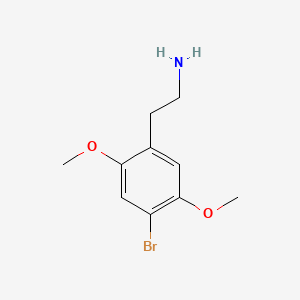
What it is
2C-B is a synthetic psychedelic phenethylamine. It is chemically distinct from MDMA, mescaline, and mixtures marketed as tusi. A powder color, logo, or seller name cannot establish identity or strength. [NIH / PubChem][Clinical Pharmacokinetics]
Tusi or pink cocaine commonly names a market mixture rather than the 2C-B molecule. Treating those labels as interchangeable obscures radically different contents and risks.
What people often describe
Reports and controlled studies commonly describe visual patterning, intensified color and touch, emotional openness, energy, laughter, altered body sensation, and time distortion. Nausea, anxiety, confusion, headache, and cardiovascular activation also occur. [Frontiers in Pharmacology][Clinical Pharmacokinetics]
Edges, patterns, light, and depth can shimmer or organize into geometric texture.
Touch, temperature, movement, sexuality, nausea, tension, or tingling may become prominent.
Conversation and affection can feel easier, while boundaries still require explicit consent.
Alertness may feel manageable at first and then shift into restlessness or cardiovascular strain.
Small differences in an uncertain product can produce a substantially more intense experience.
Fatigue, headache, emotional sensitivity, insomnia, or lingering visual unease may follow.
A beautiful or difficult experience cannot be meaningfully attributed to 2C-B when the material was never analytically identified.
How it works
2C-B acts primarily through serotonin receptors, including 5-HT2A-related signaling associated with psychedelic effects. Its receptor profile and lived effects are not identical to LSD, psilocybin, MDMA, or mescaline. [Clinical Pharmacokinetics]
Conditions and uses being studied
Acute psychopharmacology
Small controlled studies document psychedelic effects and physiological changes in screened adults.
Naturalistic experience
Survey and field data describe empathy, sociability, sensory change, and adverse effects without proving causality or safety.
Comparison with psilocybin
A registered human study compares acute responses, but it is not a treatment-efficacy trial.
Mental health treatment
No robust clinical evidence supports 2C-B as treatment for a diagnosed condition.
Small samples, experienced participants, expectancy, uncertain illicit-product contents, and limited follow-up constrain generalization.
What controlled studies actually did
Published human studies use known material, screened participants, controlled observation, physiologic measurements, and structured rating instruments. This is characterization research, not a self-use protocol. [Clinical Pharmacokinetics]
This summarizes controlled research and approved-product context. It is not a recommendation for self-treatment, dosing, mixing, or medication changes. Screening, verified formulation, monitoring, support, and follow-up are part of the studied intervention.
Selected registered trials
Registry status can change. Open the official record for current eligibility, locations, enrollment, and study status.
Know the red flags before the journey
Direct combination research is sparse. Serotonergic activity, cardiovascular stimulation, impaired judgment, and unknown product contents make casual mixing unreliable.
MAOIs, stimulants, and uncertain mixtures
MAO inhibitors or activating drugs may increase serotonergic, cardiovascular, temperature, and agitation risk. A product sold as 2C-B may introduce additional undisclosed interactions. [Journal of Psychopharmacology]
Effects and risk may change; never skip or taper a prescription to alter a psychedelic experience.
Heart rate, blood pressure, temperature, anxiety, and sleep loss can stack.
Judgment, balance, memory, vomiting, and environmental risk can worsen.
Reports involving lithium and classic psychedelics raise seizure and severe-reaction concern; combination evidence for 2C-B is limited.
Common reasons to pause, screen more carefully, or refer out
Autonomic activation may create additional risk.
Psychedelic activation and sleep disruption can destabilize mood or reality testing.
Evidence is insufficient to assume safety, particularly with interacting medicines.
Safety has not been established.
Market names, color, and appearance cannot verify contents or dose.
Visual distortion, panic, and impaired judgment can turn environmental hazards into emergencies.
Most combination warnings are based on pharmacology, related-drug evidence, toxicology, and precaution because controlled interaction trials are scarce. [Journal of Psychopharmacology][Pharmacopsychiatry]
Risks and research exclusions
Acute concerns include panic, confusion, nausea, cardiovascular activation, overheating, falls, impaired consent, and unexpected intensity. Unverified products add contamination and substitution risk. [Frontiers in Pharmacology][Clinical Pharmacokinetics]
Unexpected mixtures can make familiar-looking material behave nothing like 2C-B.
Intense visuals, body sensations, and loss of control can trigger panic or unsafe behavior.
Heart rate and blood pressure can rise, especially with stimulants or exertion.
Rare or persistent outcomes cannot be estimated confidently from small studies.
United States
2C-B is federally controlled in Schedule I and has no FDA-approved therapeutic use. State, local, analogue, and product-content rules can add separate consequences. [U.S. eCFR]
This summary is general educational information, not legal advice. Check current rules with relevant authorities in your country, state, province, and municipality before relying on it.
Selected sources
- NIH / PubChem2C-B compound record ↗
- Frontiers in Pharmacology · 2018Acute pharmacological effects of 2C-B in humans ↗
- Clinical Pharmacokinetics · 2023Controlled comparison of 2C-B and MDMA ↗
- ClinicalTrials.govNCT05523401 — acute 2C-B and psilocybin study ↗
- Journal of Psychopharmacology · 2024Systematic review of classic-psychedelic drug interactions ↗
- Pharmacopsychiatry · 2021Online reports involving lithium and classic psychedelics ↗
- U.S. eCFR · current21 CFR § 1308.11 — Schedule I controlled substances ↗