01Naturally occurring
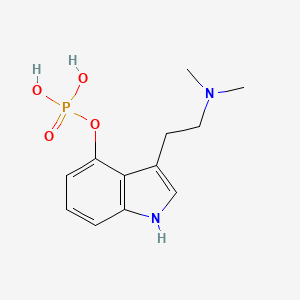 C₁₂H₁₇N₂O₄P
Entheodex brings together felt experience, pharmacology, research, interactions, and cultural context. Each is a different way of understanding the medicine, and each has its limits.

Open a profile for common names, felt effects, research, interactions, safety, and the context that makes each medicine distinct.
C₁₂H₁₇N₂O₄P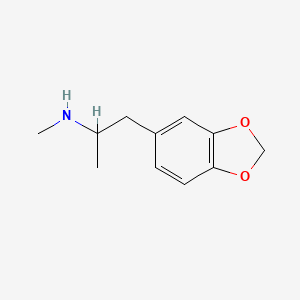 C₁₁H₁₅NO₂
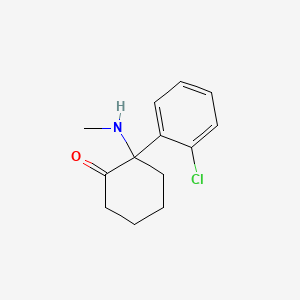 C₁₃H₁₆ClNO
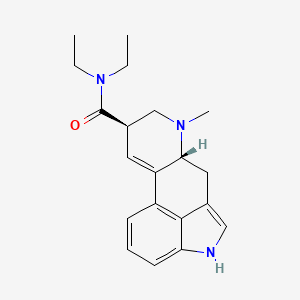 C₂₀H₂₅N₃O
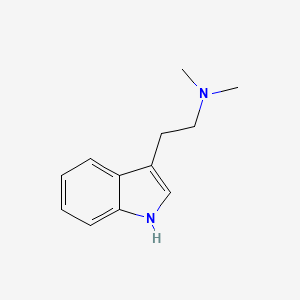 C₁₂H₁₆N₂
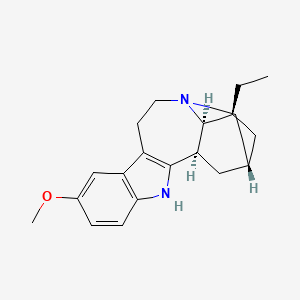 C₂₀H₂₆N₂O
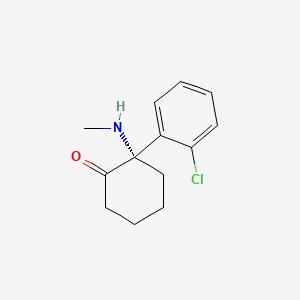 C₁₃H₁₆ClNOVariable preparation
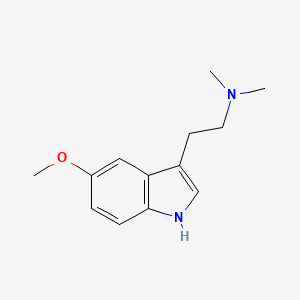 C₁₃H₁₈N₂O
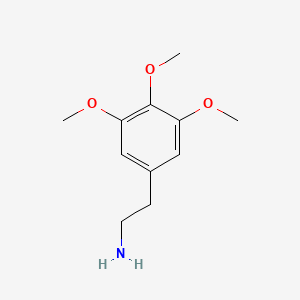 C₁₁H₁₇NO₃
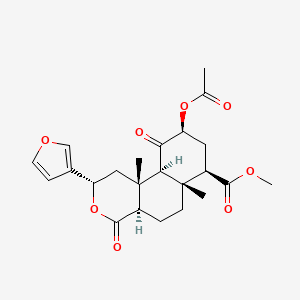 C₂₃H₂₈O₈
Consciousness research · Traditional healing
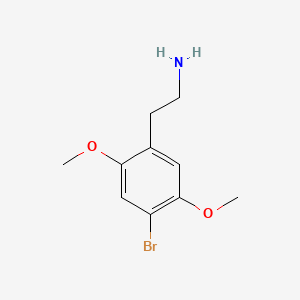 C₁₀H₁₄BrNO₂Variable cactus alkaloidsVariable cactus alkaloids
Traditional healing · Human pharmacology
Variable plant alkaloids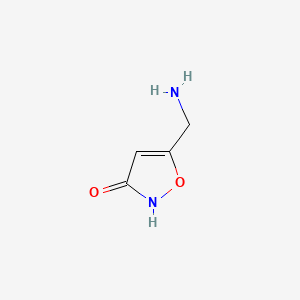 Variable mushroom constituents
Compare medicines connected to a condition and see why the strength and type of evidence differ.
“Psychedelic medicine” includes several pharmacological families, along with botanical and traditional preparations that cannot be reduced to one category.
An early human signal, a controlled trial, regulatory review, and an approved treatment answer different questions. Every status on Entheodex belongs to a specific medicine, formulation, condition, and point in time.
Read our evidence methodologyPrimary sourcesPeer-reviewed research, trial registries, and public health agencies.
Clear boundariesResearch findings, reported experience, and cultural context are identified as different kinds of knowledge.
Visible updatesReview dates, citations, and status changes shown where they matter.