What it is
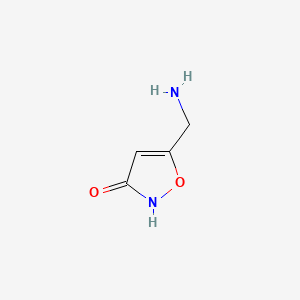
Amanita muscaria is a mushroom species complex containing variable amounts of muscimol, ibotenic acid, and other compounds. Muscimol affects GABA-A receptors, while ibotenic acid has excitatory activity. This mechanism differs fundamentally from psilocybin’s serotonergic psychedelic effects. [NIH / PubChem][U.S. FDA]
Shared mushroom imagery can hide different molecules, experiences, toxicities, and legal or food-regulatory treatment. Psilocybin guidance should not be copied onto Amanita products.
What people often describe
Reports include sleepiness, dreamlike immersion, altered body size, repetitive behavior, confusion, agitation, poor coordination, nausea, sweating, muscle jerks, seizures, and memory gaps. Effects can alternate between sedation and excitation. [Wilderness & Environmental Medicine][U.S. FDA]
Scenes may feel dream-real while ordinary orientation and memory become unreliable.
People describe expansion, shrinking, heaviness, lightness, or unusual movement.
Speech, gestures, walking, or intentions can cycle without normal self-monitoring.
Sleep, stupor, inability to protect the airway, or coma can occur in severe poisoning.
Confusion, delirium, panic, aggression, jerking, or seizures are possible.
Fatigue, headache, nausea, embarrassment, or fragmented memory can follow.
Visual branding, folklore, and “legal mushroom” marketing can make a medically unpredictable product look gentler than it is.
How it works
Muscimol is a GABA-A receptor agonist associated with inhibitory, sedating, and dreamlike effects. Ibotenic acid is an excitatory amino-acid agonist and can convert partly to muscimol. Species, specimen, processing, and product formulation change the ratio unpredictably. [NIH / PubChem][U.S. FDA]
Conditions and uses being studied
Poisoning presentations
Case literature documents delirium, seizures, coma, severe illness, and rare deaths.
Food products
FDA concluded available information does not establish Amanita muscaria, muscimol, or ibotenic acid as safe for use in conventional food.
Muscimol
Laboratory knowledge explains receptor activity but does not establish a therapeutic product.
Mental health treatment
There is no robust clinical evidence supporting Amanita muscaria for a diagnosed condition.
Anecdotes and historical use cannot quantify dose, product identity, rare toxicity, or treatment efficacy. Commercial extracts may not resemble whole mushrooms or each other.
What controlled studies actually did
No evidence-based therapeutic Amanita protocol exists. Toxicology care focuses on identifying exposure, monitoring mental status and vital functions, controlling complications, and contacting poison-control or emergency services when symptoms are concerning. [U.S. FDA][Wilderness & Environmental Medicine]
This summarizes controlled research and approved-product context. It is not a recommendation for self-treatment, dosing, mixing, or medication changes. Screening, verified formulation, monitoring, support, and follow-up are part of the studied intervention.
Selected registered trials
No therapeutic human trial is listed for this profile. The evidence section distinguishes laboratory, observational, traditional-use, and toxicology records from clinical efficacy research.
Registry status can change. Open the official record for current eligibility, locations, enrollment, and study status.
Know the red flags before the journey
Formal interaction trials are essentially absent. Mixed sedating, delirious, excitatory, and motor effects make combinations hard to predict and hard to manage.
Alcohol, opioids, benzodiazepines, and other sedatives
Adding central nervous system depressants may deepen sedation, breathing impairment, vomiting, aspiration, falls, amnesia, or coma. Unknown edible contents make the interaction picture even less reliable. [U.S. FDA]
Alertness, breathing, coordination, airway protection, and memory may be compromised.
Agitation, cardiovascular strain, temperature, and seizure risk may become harder to interpret or control.
Ibotenic-acid exposure and reported seizures make neurologic vulnerability especially concerning.
A labeled blend may contain undisclosed compounds with entirely different effects and interactions.
Common reasons to pause, screen more carefully, or refer out
Seizures and severe altered mental status are documented in poisoning.
Deep sedation and inability to protect the airway may become more dangerous.
Disorientation and reality loss may be destabilizing and unsafe.
Safety has not been established.
Mistaking another Amanita species can cause organ failure or death.
Rapid changes in consciousness, behavior, or seizure activity require real help.
Guidance is precautionary and toxicology-based because controlled drug-combination studies are not available. Lack of a study is not evidence that a combination is safe. [U.S. FDA][Wilderness & Environmental Medicine]
Risks and research exclusions
Central risks include mushroom misidentification, variable muscimol and ibotenic acid, mislabeled commercial products, vomiting, delirium, seizures, deep sedation, aspiration, coma, and delayed recognition of a different toxic Amanita species. [U.S. FDA][Wilderness & Environmental Medicine]
Some Amanita species cause delayed liver or kidney failure; casual visual identification is not a safety system.
Specimen, region, maturity, storage, and processing can change constituent levels.
Gummies and extracts may be mislabeled, adulterated, or formulated with undisclosed psychoactives.
Seizure, collapse, breathing difficulty, severe agitation, persistent vomiting, or inability to wake requires urgent help.
United States
Amanita muscaria, muscimol, and ibotenic acid are not listed as federal controlled substances, but that does not make products approved, safe, or universally lawful. FDA has warned that these ingredients are not authorized for conventional food and available information does not establish them as GRAS. State, local, product, and species rules may differ. [U.S. FDA]
This summary is general educational information, not legal advice. Check current rules with relevant authorities in your country, state, province, and municipality before relying on it.