Two phase 3 MDMA-assisted therapy trials reported meaningful symptom improvements, but the FDA did not approve the 2024 application and requested another phase 3 study. Promising evidence and approved treatment are not the same status.
Condition path · 01 connected medicine
PTSD
Trauma · memory · therapeutic support
The most developed psychedelic-adjacent research centers on MDMA-assisted therapy, where the medicine and structured therapeutic process are studied together.
Medicines appear here because of current research, a specific established clinical context, or sustained public interest. Inclusion does not establish approval, suitability, safety, or effectiveness for an individual.
01 / START HERE
A condition is a starting point, not the whole story.
PTSD can involve intrusion, avoidance, hyperarousal, shame, dissociation, sleep disruption, and changes in trust or connection. Research does not study a molecule in isolation; the therapeutic structure and participant screening are central parts of the intervention.
Trauma work requires attention to consent, power, touch, dissociation, destabilization, current safety, medication interactions, facilitator boundaries, and whether qualified trauma care is available before and after the session.
02 / CONNECTED MEDICINES
Medicines associated with PTSD
Open a field guide for the felt experience, common names, research signal, interactions, contraindications, safety, and legal context unique to each medicine.
01Late-stage research
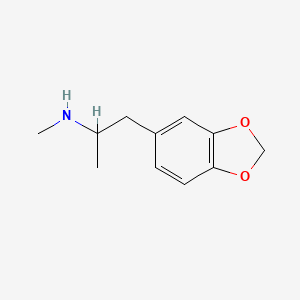 C₁₁H₁₅NO₂
Entactogen
MDMA
Warmth, openness, energy, closeness, and increased emotional or tactile intensity.
Open the full field guide ↗The medicine is one variable.
Diagnosis, intention, medications, physical health, culture, prior experience, consent, setting, support, and follow-up can all change the meaning and risk of a psychedelic experience.