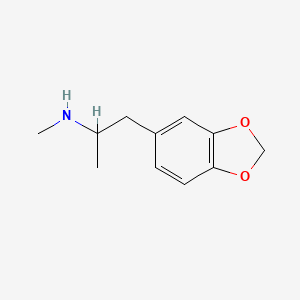
What it is
MDMA is a synthetic psychoactive compound whose acute effects combine stimulation with changes in serotonin, norepinephrine, dopamine, hormones, and social-emotional processing. In clinical research, a known pharmaceutical formulation is paired with screening, preparation, monitored sessions, and follow-up. That is not interchangeable with an unverified pill, powder, or crystal sold as molly or ecstasy. [NIH / PubChem][NIH / NIDA]
MDMA names a molecule. Molly and ecstasy are market names, and the contents may include different drugs, mixtures, or contaminants. Appearance cannot verify identity or strength.
What people often describe
People commonly talk about warmth, trust, sociability, energy, tactile pleasure, and less fear around emotional material. Those descriptions sit alongside stimulant-like physical effects and the possibility of overwhelm, agitation, or a difficult comedown. [NIH / NIDA]
Affection, trust, empathy, and the urge to communicate may feel unusually available.
Warmth, tingling, pleasure, jaw tension, muscle tightness, sweating, or nausea may stand out.
Alertness and movement can increase while appetite, sleep, and awareness of strain fall away.
Painful memories can feel more approachable, but openness does not guarantee insight or safety.
Sound, rhythm, light, and social cues may carry more emotional weight.
Some report tenderness or clarity; others feel depleted, irritable, low, foggy, or unable to sleep.
Feeling trusting or close can complicate boundaries. Clear consent, sober support, temperature control, rest, and an exit plan remain important even when the experience feels loving or therapeutic.
How it works
MDMA increases monoamine signaling, with especially strong effects on serotonin and additional effects on norepinephrine and dopamine. Researchers also study hormonal and neural processes related to fear, trust, memory, and social reward. A compelling emotional experience is not itself proof of durable therapeutic change. [NIH / PubChem][NIH / NIDA]
Conditions and uses being studied
Post-traumatic stress disorder
Two randomized phase 3 trials reported larger PTSD symptom reductions with MDMA-assisted therapy than with placebo plus the same manualized therapy.
Approval evidence
In 2024 the FDA did not approve the application and requested an additional phase 3 trial. A positive trial is not the same as an approved treatment.
Social anxiety and autism
Small studies have explored social anxiety in autistic adults, but the evidence base is limited and not confirmatory.
Other conditions
Researchers are studying alcohol-use disorder, eating disorders, moral injury, and other areas. Maturity and design vary widely.
The studied intervention is a package: screening, a known formulation, trained monitors, preparation, therapy or support, and follow-up. Results cannot be transferred cleanly to unsupervised or unverified use.
What controlled studies actually did
The pivotal PTSD studies used manualized preparatory and integrative therapy around several long, monitored medicine sessions with fixed-dose capsules and optional supplemental dosing. This profile intentionally does not turn those trial procedures into self-use instructions. [Nature Medicine][Nature Medicine]
This summarizes controlled research and approved-product context. It is not a recommendation for self-treatment, dosing, mixing, or medication changes. Screening, verified formulation, monitoring, support, and follow-up are part of the studied intervention.
Selected registered trials
Registry status can change. Open the official record for current eligibility, locations, enrollment, and study status.
Know the red flags before the journey
MDMA has meaningful interaction potential because it affects serotonin, cardiovascular activation, body temperature, and judgment. Never stop or taper a prescription to take MDMA without the prescriber who manages it.
MAOIs + MDMA
Monoamine oxidase inhibitors can combine with MDMA in dangerous ways, including severe blood-pressure, temperature, and serotonin toxicity. This includes prescription MAOIs and may include MAOI-containing botanicals or preparations. Treat the combination as a major red flag. [NIH / NIDA]
Antidepressants and other serotonergic medicines can alter effects and risk. Skipping doses or self-tapering can cause withdrawal or relapse.
Amphetamines, cocaine, high caffeine exposure, and other stimulants can add cardiovascular, anxiety, and overheating stress.
These can impair judgment, hide warning signs, complicate breathing, or make hydration and temperature decisions less reliable.
Products sold as molly or ecstasy may contain cathinones, stimulants, opioids, or other compounds with different interaction profiles.
Common reasons to pause, screen more carefully, or refer out
MDMA can raise heart rate, blood pressure, and body temperature; significant heart or vascular risk warrants medical review.
Trials commonly exclude psychotic and bipolar disorders because activation, sleep loss, or mood destabilization may be dangerous.
Safety is not established, and clinical trials exclude pregnancy and breastfeeding.
Hot crowded environments, prolonged exertion, and both too little and too much water can create medical emergencies.
Acute suicidality, coercion, sleep deprivation, or no reliable help changes the risk picture.
A logo, color, or seller claim does not establish that a product contains MDMA or disclose its strength.
Direct interaction trials are limited. Some warnings reflect pharmacology, case reports, trial exclusion criteria, and toxicology rather than controlled combination studies. Uncertainty is a reason for more caution, not less. [NIH / NIDA]
Risks and research exclusions
Acute concerns include overheating, dehydration or dangerous overhydration, elevated heart rate and blood pressure, anxiety, confusion, and serotonin toxicity. Sleep loss and repeated dosing can add strain. Street-product uncertainty introduces a separate risk that pharmaceutical trials do not measure. [NIH / NIDA][Nature Medicine]
Heat, exertion, impaired judgment, too little fluid, or excessive water intake can produce life-threatening emergencies.
Heart rate and blood pressure can rise. Chest pain, collapse, severe headache, or extreme agitation require urgent help.
Fatigue, low mood, irritability, and insomnia may follow. Severe or persistent symptoms deserve professional support.
Less is known about repeated exposure, diverse medical populations, long-term outcomes, and unregulated products.
United States
MDMA remains federally controlled in Schedule I and no MDMA product is FDA-approved for PTSD. The FDA issued a complete response letter for the 2024 application and requested an additional phase 3 study. State, local, research, and federal rules are separate and can change. [U.S. eCFR][Lykos Therapeutics]
This summary is general educational information, not legal advice. Check current rules with relevant authorities in your country, state, province, and municipality before relying on it.
Selected sources
- NIH / PubChemMDMA compound record and chemical identifiers ↗
- NIH / NIDAMDMA (Ecstasy/Molly): effects and health context ↗
- Nature Medicine · 2021First randomized phase 3 trial in severe PTSD ↗
- Nature Medicine · 2023Confirmatory phase 3 trial in moderate-to-severe PTSD ↗
- Lykos Therapeutics · 2024Complete response letter and request for another phase 3 study ↗
- U.S. FDA · 2026Psychedelic drugs: considerations for clinical investigations ↗
- U.S. eCFR · current21 CFR § 1308.11 — Schedule I ↗