MDMA has been explored in small studies of social anxiety, including in autistic adults. These early signals are not enough to establish a general treatment or predict an individual response.
Condition path · 01 connected medicine
Social anxiety
Connection · safety · belonging
Small and early studies have explored whether entactogenic effects may support work with social fear in specific populations.
Medicines appear here because of current research, a specific established clinical context, or sustained public interest. Inclusion does not establish approval, suitability, safety, or effectiveness for an individual.
01 / START HERE
A condition is a starting point, not the whole story.
Social anxiety is more than shyness. It may involve intense fear of scrutiny, avoidance, bodily arousal, self-monitoring, and isolation. Research in psychedelic-adjacent care remains small and population-specific.
The desire for connection can increase vulnerability to suggestion and blurred boundaries. Explicit consent, communication preferences, sensory needs, power dynamics, and non-drug support options should be part of the conversation.
02 / CONNECTED MEDICINES
Medicines associated with Social anxiety
Open a field guide for the felt experience, common names, research signal, interactions, contraindications, safety, and legal context unique to each medicine.
01Late-stage research
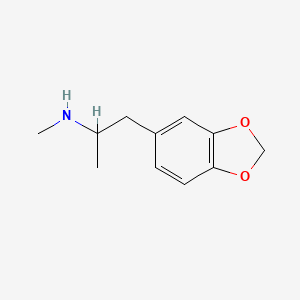 C₁₁H₁₅NO₂
Entactogen
MDMA
Warmth, openness, energy, closeness, and increased emotional or tactile intensity.
Open the full field guide ↗The medicine is one variable.
Diagnosis, intention, medications, physical health, culture, prior experience, consent, setting, support, and follow-up can all change the meaning and risk of a psychedelic experience.