What it is
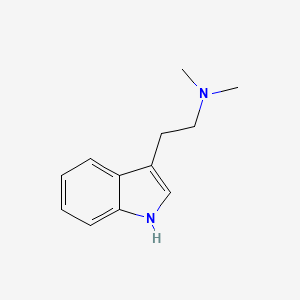
Ayahuasca commonly refers to a psychoactive botanical preparation combining Banisteriopsis caapi, which supplies beta-carbolines that inhibit monoamine oxidase A, with a DMT-containing admixture plant such as Psychotria viridis. Recipes are not universal, and some preparations differ substantially in plants, alkaloids, strength, and ceremonial purpose. [Journal of Psychoactive Drugs][Psychological Medicine]
DMT is one important molecule, but ayahuasca also names relationships among plants, knowledge, people, ceremony, place, and lineage. A laboratory formulation, church sacrament, Indigenous practice, retreat brew, and mystery bottle should not be collapsed into one object.
What people often describe
Human studies and community reports describe visual and emotional intensity, altered body awareness, nausea and vomiting, changes in memory and meaning, and experiences that may be interpreted spiritually. Pleasant, dysphoric, confusing, and physically difficult reactions all occur. [Psychopharmacology][Psychological Medicine]
Patterns, scenes, memories, presences, and symbolic sequences may feel unusually vivid or consequential.
Nausea, vomiting, diarrhea, shaking, sweating, pressure, and temperature changes are commonly discussed.
Grief, fear, shame, tenderness, gratitude, and autobiographical memories can feel immediate and embodied.
People may report connection with family, ancestors, nature, community, or a sensed intelligence.
Intensity can rise and fall repeatedly, making reassurance and orientation important.
Relief, openness, exhaustion, confusion, destabilization, and pressure to assign meaning can coexist.
Consent, sexual boundaries, touch, money, translation, lineage claims, medical competence, emergency plans, and the right to stop or leave deserve explicit attention.
How it works
DMT is normally broken down rapidly in the gut and liver by monoamine oxidase. Harmala alkaloids in many ayahuasca preparations reversibly inhibit MAO-A, allowing oral DMT to become psychoactive. The brew contains multiple compounds, and their additive or synergistic contributions are not fully resolved. [Journal of Psychoactive Drugs]
Conditions and uses being studied
Treatment-resistant depression
A 29-person placebo-controlled study reported faster symptom improvement after a single session, but the sample was small and follow-up limited.
Mood and psychological functioning
Studies of regular ceremonial users report associations that cannot establish whether ayahuasca caused the differences.
Substance-use and grief-related outcomes
Observational and exploratory work exists, but standardized efficacy evidence remains limited.
Ceremonial and community outcomes
Findings from stable religious communities cannot be transferred automatically to commercial retreats or unsupervised use.
The brew, ritual container, preparation, expectations, social support, and follow-up all vary. A positive signal from one standardized batch and research team is not a universal result for products sold as ayahuasca.
What controlled studies actually did
The randomized depression study used one analyzed ayahuasca batch, screened participants, a hospital research setting, psychological measures, and follow-up. Newer early-phase work is separately evaluating defined botanical formulations in healthy adults. These protocols are not home-brewing instructions. [Psychological Medicine][ClinicalTrials.gov]
This summarizes controlled research and approved-product context. It is not a recommendation for self-treatment, dosing, mixing, or medication changes. Screening, verified formulation, monitoring, support, and follow-up are part of the studied intervention.
Selected registered trials
Registry status can change. Open the official record for current eligibility, locations, enrollment, and study status.
Know the red flags before the journey
Ayahuasca’s MAO-A inhibition makes medication and substance review central, not optional. The actual brew may be uncertain, and stopping an antidepressant or other prescription without the managing clinician can create withdrawal, relapse, or medical danger.
Serotonergic or strongly activating drugs + an MAOI-containing brew
Antidepressants, stimulants, certain opioids, some migraine medicines, and other serotonergic or sympathomimetic agents can create dangerous interaction potential. The exact risk depends on the drug, dose, timing, health history, and brew; this requires qualified medication review, not a generic internet washout chart. [Journal of Psychoactive Drugs][Journal of Psychopharmacology]
Responses may be altered and serotonin-toxicity risk may rise; abrupt self-tapering creates separate harm.
Cardiovascular and agitation risks may stack with MAO-A inhibition.
Cannabis, MDMA, 5-MeO-DMT, cocaine, and unknown mixtures can intensify an already variable state.
Some opioids and common medicines have serotonergic or metabolic concerns that require drug-specific review.
Common reasons to pause, screen more carefully, or refer out
Prolonged activation, sleep loss, and intense meaning-making may precipitate destabilization.
Blood pressure, heart rate, dehydration, and drug interactions can create additional strain.
Safety evidence is insufficient, and controlled studies exclude pregnancy.
A medical specialist should assess threshold-altering medicines and history.
A ceremony is not a substitute for emergency or continuous clinical care.
Unverified plants, undisclosed additives, coercion, isolation, or no emergency pathway materially change risk.
Direct combination trials are sparse. Pharmacology, case reports, clinical exclusions, and the known MAOI role support caution, while simplistic prohibited-food and medication lists often overstate certainty in one place and miss serious risks in another. [Journal of Psychoactive Drugs][Journal of Psychopharmacology]
Risks and research exclusions
Vomiting and diarrhea, dehydration, aspiration, panic, confusion, blood-pressure changes, prolonged distress, medication interactions, and psychiatric destabilization are core concerns. Product identity and facilitator conduct are separate safety variables. [Psychopharmacology][Psychological Medicine]
Medication review must account for the actual drug, timing, health history, and uncertain brew composition.
Reduced responsiveness, positional risk, and inadequate observation can turn expected nausea into an emergency.
Terror, retraumatization, mania, coercion, boundary violations, and grandiose interpretation are possible.
A shared name does not verify species, alkaloid content, contaminants, or added substances.
United States
DMT is a Schedule I controlled substance under U.S. federal law. Some religious organizations have obtained specific protections or exemptions through litigation or administrative processes, but those are not a general legalization of ayahuasca possession, service, importation, or sale. State, local, tribal, and federal contexts can differ. [U.S. eCFR]
This summary is general educational information, not legal advice. Check current rules with relevant authorities in your country, state, province, and municipality before relying on it.
Selected sources
- NIH / PubChemDMT compound record ↗
- Psychological Medicine · 2019Randomized placebo-controlled ayahuasca trial in treatment-resistant depression ↗
- Journal of Psychoactive Drugs · 2020Pharmacological interaction of compounds in ayahuasca ↗
- Psychopharmacology · 2001Subjective effects and tolerability in healthy volunteers ↗
- ClinicalTrials.govNCT05894902 — Defined botanical preparation in healthy adults ↗
- Journal of Psychoactive Drugs · 2016Psychological and neuropsychological assessment of regular hoasca users ↗
- Journal of Psychopharmacology · 2024Systematic review of classic-psychedelic drug interactions ↗
- U.S. eCFR · current21 CFR § 1308.11 — Schedule I controlled substances ↗