Esketamine has specific FDA-approved depression indications, while racemic ketamine is used off-label in psychiatric care. Psilocybin has a growing controlled-trial record with both positive and inconclusive findings. Research involving DMT, ayahuasca, and 5-MeO-DMT is earlier, smaller, and specific to particular formulations and settings.
Condition path · 06 connected medicines
Depression
Mood · motivation · connection
The depression record includes an approved esketamine product, off-label ketamine care, controlled psilocybin trials, and much earlier work with DMT-related approaches. These medicines do not share one evidence base.
Medicines appear here because of current research, a specific established clinical context, or sustained public interest. Inclusion does not establish approval, suitability, safety, or effectiveness for an individual.
01 / START HERE
A condition is a starting point, not the whole story.
Depression is a name shared by several research populations. A trial may enroll people with major depressive disorder, treatment-resistant depression, recurrent episodes, or depressive symptoms within another illness. It may measure rapid symptom change, response several weeks later, daily functioning, remission, or relapse. Those choices define what the result can tell us.
Begin with the person rather than the compound: the type and duration of depression, current medications, previous treatment, bipolar-spectrum or psychosis history, suicidality, physical health, support, and the care available after the acute experience.
02 / READ THE RECORD
Three very different evidence records
A medicine can appear on this page because it has an approved indication, an established off-label clinical role, controlled experimental evidence, or an early research connection. The label matters less than knowing which record you are looking at.
APPROVED & OFF-LABEL CARE
Ketamine and esketamine
Spravato, an intranasal esketamine product, has specific FDA-approved adult depression indications and a required monitoring program. Racemic ketamine is used off-label in psychiatric care. Product, route, protocol, and oversight are part of the distinction.
Open the medicine profile ↗CONTROLLED PSYCHEDELIC TRIALSPsilocybin
Randomized studies in screened adults have reported symptom improvement in some settings. A 2026 treatment-resistant depression trial missed its primary efficacy outcome and reported safety signals, leaving the overall record active and unsettled.
Open the medicine profile ↗EARLY & FORMULATION-SPECIFICDMT-related approaches
Small studies and early trials connect depression with DMT, ayahuasca, and 5-MeO-DMT. A plant brew, inhaled formulation, and isolated molecule differ in chemistry, duration, interactions, and therapeutic setting, so their findings cannot be pooled into one claim.
Open the medicine profile ↗03 / CONNECTED MEDICINES
Medicines associated with Depression
Open a field guide for the felt experience, common names, research signal, interactions, contraindications, safety, and legal context unique to each medicine.
01Advanced clinical research
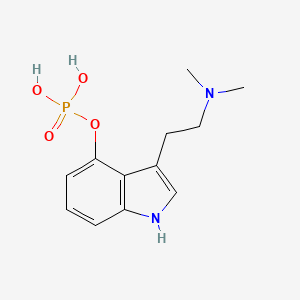 C₁₂H₁₇N₂O₄P
Classic psychedelic
Psilocybin
Sensory amplification, time distortion, emotional depth, inward focus, and sometimes awe or connection.
Open the full field guide ↗02Established clinical use
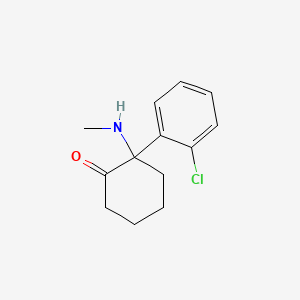 C₁₃H₁₆ClNO
Dissociative
Ketamine
A floaty, dreamlike sense of distance from the body, surroundings, pain, or everyday thought.
Open the full field guide ↗03Early clinical research
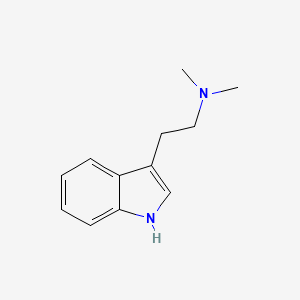 C₁₂H₁₆N₂
Classic psychedelic
DMT
A fast, immersive shift in imagery, space, body awareness, and sense of self.
Open the full field guide ↗04Established clinical use
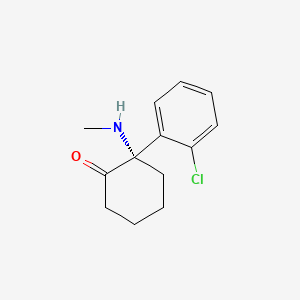 C₁₃H₁₆ClNO
Dissociative
Esketamine
A monitored, dreamlike or floaty dissociative state that may bring distance, dizziness, sedation, or a shift in mood.
Open the full field guide ↗05Early clinical research
Variable preparationTraditional preparation
Ayahuasca
A long, visionary, emotional, spiritual, and often physically demanding experience shaped by brew and ceremony.
Open the full field guide ↗06Phase 2 research
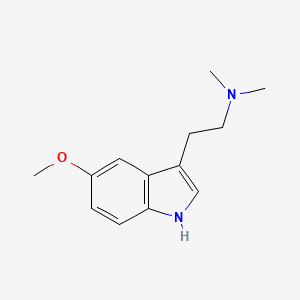 C₁₃H₁₈N₂O
Classic psychedelic
5-MeO-DMT
A rapid, immersive loss of ordinary self and space that may feel expansive, terrifying, peaceful, or difficult to remember.
Open the full field guide ↗Speed is only one outcome.
A rapid change in a depression score can matter. So can durability, functioning, sleep, adverse effects, access to continuing care, and what happens when symptoms return. Those questions belong beside the acute experience, not after it.