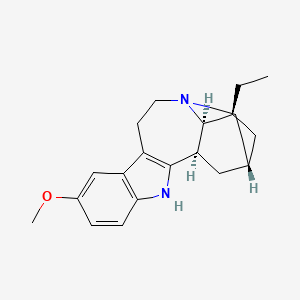
What it is
Ibogaine is an indole alkaloid associated with the Central African shrub Tabernanthe iboga. The body converts it to noribogaine, and metabolism varies substantially between people. It acts across several neurotransmitter systems and can affect cardiac ion channels, creating clinically important and sometimes delayed risk. [NIH / PubChem][European Journal of Clinical Pharmacology][Molecules]
It is not FDA-approved for opioid withdrawal or addiction. A ceremonial lineage, overseas clinic, magnesium protocol, or medical-sounding intake form does not eliminate arrhythmia, interaction, or post-detox overdose risk.
What people often describe
The acute experience is often described in phases: a long visionary period with vivid scenes or autobiographical material, followed by a quieter but still stimulating period of reflection. Ataxia, nausea, tremor, insomnia, and physical exhaustion can accompany the psychological material. [Clinical Toxicology][Nature Medicine]
Scenes, memories, symbolic imagery, and apparently instructional sequences may appear with eyes closed.
People may revisit relationships, trauma, choices, grief, and identity with unusual emotional distance or intensity.
Severe ataxia, nausea, weakness, tremor, and difficulty standing are not side notes; they affect basic safety.
Acute and residual effects can extend 12–24 hours or longer, with sleep disruption beyond the visionary phase.
Some report reduced craving or new perspective, but a powerful experience does not by itself create durable recovery.
A person can feel psychologically calm while QT prolongation or bradycardia creates dangerous arrhythmia risk.
“Medical support” should mean qualified personnel, baseline and serial ECGs, electrolyte assessment and correction, medication review, resuscitation capability, and a plan for extended monitoring—not merely someone in the building.
How it works
Ibogaine and noribogaine have complex effects involving NMDA, opioid, serotonin, and other systems. CYP2D6 strongly influences ibogaine metabolism. Ibogaine can block cardiac hERG potassium channels and prolong QT, a mechanism linked to torsades de pointes and sudden death risk. [European Journal of Clinical Pharmacology][Molecules]
Conditions and uses being studied
Opioid withdrawal and use
Small open-label and observational studies report reduced withdrawal or short-term opioid use, but lack of randomized controls limits causal conclusions.
Veterans with traumatic brain injury
A 30-person prospective study reported improvements after a magnesium-ibogaine program, but it was uncontrolled, all-male, and included complementary modalities.
Methadone detoxification and alcohol use
Small registered phase 2 studies have explored these areas; completion or registration does not establish efficacy.
QT prolongation
A monitored observational study found clinically relevant QTc prolongation, bradycardia, and severe ataxia in opioid-dependent participants.
The evidence asymmetry matters: hoped-for benefits remain preliminary, while cardiac toxicity has biologic, observational, case-report, and fatal-event support. That is not a balanced “pros and cons” list.
What controlled studies actually did
Published human studies have used ECG screening, continuous or repeated cardiac monitoring, laboratory testing, and medical observation. In one 14-person opioid-use study, half exceeded a QTc of 500 milliseconds and severe transient ataxia occurred in every participant. Those findings argue against converting a study dose into consumer guidance. [Clinical Toxicology]
This summarizes controlled research and approved-product context. It is not a recommendation for self-treatment, dosing, mixing, or medication changes. Screening, verified formulation, monitoring, support, and follow-up are part of the studied intervention.
Selected registered trials
Registry status can change. Open the official record for current eligibility, locations, enrollment, and study status.
Know the red flags before the journey
Ibogaine has an unusually dense interaction problem: cardiac rhythm, CYP2D6 metabolism, liver function, electrolytes, opioids, sedatives, stimulants, and other QT-prolonging drugs can all matter at once.
QT-prolonging drugs, bradycardia, and electrolyte abnormalities
Ibogaine can markedly prolong QT. Other QT-prolonging medicines, a slow heart rate, low potassium or magnesium, congenital long-QT syndrome, and structural heart disease can further increase the risk of torsades de pointes, cardiac arrest, and death. [Clinical Toxicology][Molecules][Journal of Forensic Sciences]
Medicines that inhibit CYP2D6 may change ibogaine exposure and timing. Genetic metabolism differences also contribute to large person-to-person variability.
Residual opioids complicate sedation and rhythm risk. After reduced tolerance, returning to a previously tolerated opioid amount can cause fatal overdose.
Cocaine, amphetamines, decongestants, and other activating drugs can add cardiovascular stress to an already high-risk state.
Layered sedation can impair breathing, airway protection, and recognition of deterioration during a very long session.
Common reasons to pause, screen more carefully, or refer out
A normal-feeling heart is not enough. Baseline and serial ECG assessment by qualified medical staff is central.
Low potassium or magnesium can amplify arrhythmia risk and must be medically assessed and corrected.
Ibogaine and noribogaine exposure may be prolonged or unpredictable when metabolism is impaired.
Safety is not established, and the medical stress and limited emergency evidence make pregnancy a major exclusion.
Neurologic and psychiatric vulnerability requires specialist evaluation and may make participation unsafe.
A long remote transfer, absent resuscitation equipment, or unclear escalation plan can turn a treatable event into a fatal one.
No checklist can clear someone for ibogaine online. Risk depends on ECG intervals, rhythm, labs, liver function, genetics, medication half-lives, recent substance use, and real-time monitoring. This profile cannot perform that assessment. [European Journal of Clinical Pharmacology][Molecules]
Risks and research exclusions
The core safety issue is potentially fatal cardiac toxicity, including QT prolongation, bradycardia, torsades de pointes, and cardiac arrest. Severe ataxia, vomiting, aspiration, dehydration, prolonged wakefulness, and post-detox opioid overdose add further risk. [Clinical Toxicology][Journal of Forensic Sciences][Molecules]
Risk can persist beyond the visionary phase because ibogaine and noribogaine remain in the body. A single pre-session ECG is not continuous monitoring.
Severe ataxia and vomiting can lead to falls, head injury, choking, or aspiration, especially without hands-on medical support.
Reduced opioid tolerance can make relapse fatal. Naloxone access and an evidence-based continuing-care plan matter after the session.
Fatal cases and cardiac arrests have been reported. Marketing language such as natural, ceremonial, or interrupting addiction does not neutralize that record.
United States
Ibogaine has no FDA-approved therapeutic product and remains federally controlled in Schedule I. It may be offered in other countries under very different regulatory and medical standards. Crossing a border does not by itself establish quality, legality, or emergency preparedness. [U.S. eCFR][U.S. FDA]
This summary is general educational information, not legal advice. Check current rules with relevant authorities in your country, state, province, and municipality before relying on it.
Selected sources
- NIH / PubChemIbogaine compound record and chemical identifiers ↗
- Nature Medicine · 2024Prospective observational magnesium-ibogaine study in veterans ↗
- Clinical Toxicology · 2021QT prolongation, bradycardia, and ataxia in opioid-dependent participants ↗
- European Journal of Clinical Pharmacology · 2024Ibogaine pharmacokinetics, CYP2D6, and QTc relationships ↗
- Journal of Forensic Sciences · 2016Cardiac arrest and death associated with ibogaine ↗
- Molecules · 2015Review of ibogaine cardiac risks ↗
- U.S. FDA · 2026Psychedelic drugs: considerations for clinical investigations ↗
- U.S. eCFR · current21 CFR § 1308.11 — Schedule I ↗