Ibogaine evidence remains small and largely observational, while serious QT prolongation, arrhythmia, cardiac arrest, and deaths are documented. Whole-plant iboga is culturally and chemically distinct, and most modern addiction research concerns isolated ibogaine. Neither is FDA-approved or appropriate for do-it-yourself detox.
Condition path · 02 connected medicines
Opioid-use disorder & addiction
Dependence · withdrawal · recovery
Ibogaine attracts significant interest and personal testimony, but evidence remains preliminary and cardiac risk makes this a particularly high-stakes area.
Medicines appear here because of current research, a specific established clinical context, or sustained public interest. Inclusion does not establish approval, suitability, safety, or effectiveness for an individual.
01 / START HERE
A condition is a starting point, not the whole story.
Opioid-use disorder is a chronic, treatable condition with substantial overdose risk. Withdrawal relief, a visionary experience, reduced craving, and durable recovery are different outcomes and should not be treated as interchangeable.
This area requires medical—not merely facilitation—capacity: ECG and laboratory screening, medication review, opioid-tolerance and overdose planning, naloxone access, emergency capability, and continuing evidence-based addiction care.
02 / CONNECTED MEDICINES
Medicines associated with Opioid-use disorder & addiction
Open a field guide for the felt experience, common names, research signal, interactions, contraindications, safety, and legal context unique to each medicine.
01Preliminary evidence
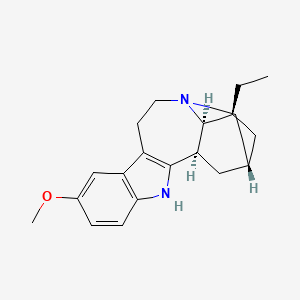 C₂₀H₂₆N₂O
Psychoactive alkaloid
Ibogaine
A long, often demanding, dreamlike experience with vivid autobiographical imagery and reflection.
Open the full field guide ↗02Evidence mainly from ibogaine
Variable plant alkaloidsTraditional botanical
Iboga
An exceptionally long, visionary, ancestral, autobiographical, and physically risky experience with profound coordination loss.
Open the full field guide ↗The medicine is one variable.
Diagnosis, intention, medications, physical health, culture, prior experience, consent, setting, support, and follow-up can all change the meaning and risk of a psychedelic experience.