Psilocybin and LSD research has explored drinking outcomes alongside structured psychological care. Study era, design, participant selection, and support models differ, and neither medicine is an FDA-approved treatment for alcohol-use disorder.
Condition path · 02 connected medicines
Alcohol-use disorder
Habit · craving · behavior change
Psilocybin and LSD have both been studied alongside structured psychological support, with different eras and strengths of evidence.
Medicines appear here because of current research, a specific established clinical context, or sustained public interest. Inclusion does not establish approval, suitability, safety, or effectiveness for an individual.
01 / START HERE
A condition is a starting point, not the whole story.
Alcohol-use disorder ranges in severity and medical risk. Withdrawal can be dangerous, and a psychedelic session is not a substitute for medically appropriate withdrawal management, ongoing treatment, or recovery support.
Screen for withdrawal risk, liver and cardiovascular health, other substance use, psychiatric history, medications, recovery supports, relapse planning, and whether evidence-based alcohol treatment is accessible.
02 / CONNECTED MEDICINES
Medicines associated with Alcohol-use disorder
Open a field guide for the felt experience, common names, research signal, interactions, contraindications, safety, and legal context unique to each medicine.
01Advanced clinical research
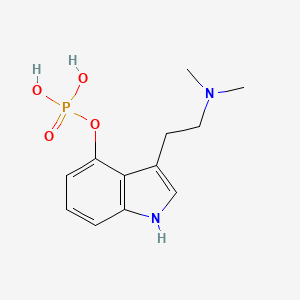 C₁₂H₁₇N₂O₄P
Classic psychedelic
Psilocybin
Sensory amplification, time distortion, emotional depth, inward focus, and sometimes awe or connection.
Open the full field guide ↗02Clinical research
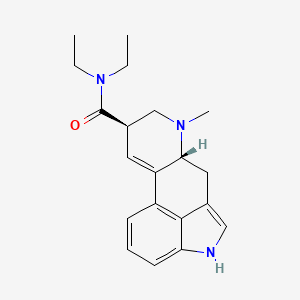 C₂₀H₂₅N₃O
Classic psychedelic
LSD
Long-lasting visual texture, energized thought, unusual associations, and a stretched sense of time.
Open the full field guide ↗The medicine is one variable.
Diagnosis, intention, medications, physical health, culture, prior experience, consent, setting, support, and follow-up can all change the meaning and risk of a psychedelic experience.