What it is
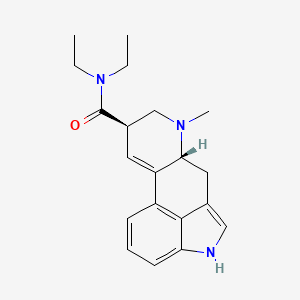
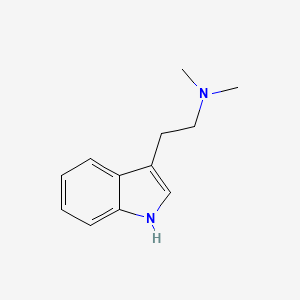
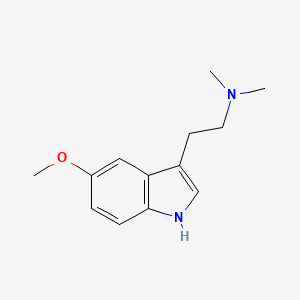
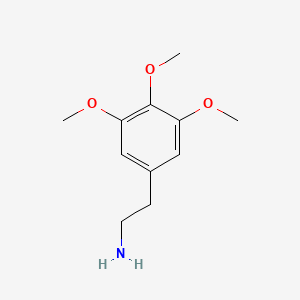
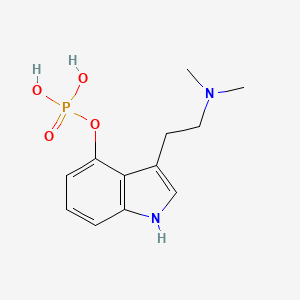
Psilocybin is a tryptamine alkaloid made by certain fungi. The body rapidly converts it to psilocin, which is more directly responsible for the acute psychoactive effects. Research and pharmaceutical development usually work with isolated psilocybin, while mushrooms contain a variable mixture whose chemistry depends on species, cultivation, storage, and the individual specimen. [PubChem]
A measured quantity of isolated psilocybin cannot be translated directly into a weight of mushroom material. Even mushrooms that look similar may differ in psilocybin content.
What people often describe
Personal accounts and controlled studies describe recurring themes rather than a fixed sequence: intensified sensory detail, quick emotional shifts, altered time, unusual associations, and moments interpreted as introspective or spiritual. A single experience may move between pleasure, discomfort, insight, boredom, and confusion. [NIDA]
Colors may feel saturated. Surfaces can ripple, breathe, organize into patterns, or take on unusual significance.
Joy, grief, wonder, tenderness, fear, and laughter may arrive quickly or overlap.
Minutes can feel spacious, repetitive, suspended, or difficult to place in sequence.
Some people report connection, perspective, or less separation. Others feel disoriented or ungrounded.
Ideas and memories may feel vivid or unusually important. Their emotional force does not guarantee that an interpretation will hold up later.
Nausea, yawning, temperature shifts, heaviness, restlessness, and changes in coordination are commonly reported.
“Set and setting” is shorthand for mindset and environment. Expectations, current stress, company, music, physical comfort, privacy, and the ability to ask for help can all influence the experience. Careful preparation improves the conditions around uncertainty; it cannot script what happens.
How it works
After conversion to psilocin, the compound interacts with several serotonin receptors. Activity at the 5-HT2A receptor is considered central to acute changes in perception, emotion, and cognition. Researchers are also examining large-scale brain-network communication and whether features of the acute experience relate to later outcomes. Those longer-term relationships are still being worked out. [PubChem]
Conditions being studied
Major depressive disorder
Several randomized trials have reported symptom reductions, while more recent results also show that outcomes are not uniformly positive across designs and populations.
Treatment-resistant depression
A 2026 trial found exploratory evidence of symptom reduction but did not meet its primary efficacy outcome. It also reported safety signals that require attention in future research.
Alcohol-use disorder
Completed and recruiting controlled studies are examining drinking outcomes when psilocybin is combined with structured therapy.
Other conditions
Research also includes serious-illness-related distress, tobacco use, obsessive-compulsive disorder, and other areas; evidence maturity varies.
These findings come from particular formulations, screened participants, structured support, and defined follow-up periods. They cannot establish that psilocybin is appropriate for an individual, and no psilocybin therapeutic product has FDA approval.
How controlled studies were structured
Protocols vary. A Johns Hopkins randomized trial used two oral sessions, 20 mg/70 kg followed by 30 mg/70 kg, within a course of supportive psychotherapy. Other controlled studies have evaluated a fixed 25 mg oral dose. [Davis et al.] [Raison et al.]
Dose information describes quantities reported in controlled medical research. It is not a recommendation for self-treatment or self-administration. Research screening, formulation, preparation, monitoring, and follow-up are part of the studied intervention.
Selected registered trials
Registry status can change. Open the official record for the latest eligibility, locations, enrollment, and study-status information.
Interactions and reasons for extra care
Human interaction research remains limited. Previous experience with a combination cannot establish that it is low-risk. Anyone helping assess the situation needs the full list of prescriptions, over-the-counter medicines, supplements, and other substances. Prescription changes require the involvement of the clinician who manages them.
Lithium + classic psychedelics
Online experience-report analysis found a strong seizure signal when lithium was combined with classic psychedelics. Oregon’s regulated psilocybin program identifies current lithium use as a contraindication. This evidence is imperfect, but the signal is serious enough to treat the combination as a major red flag. [Nayak et al.] [Oregon]
SSRIs, SNRIs, antipsychotics, mood stabilizers, and other psychiatric medicines may change intensity, response, or risk. Research protocols handle them differently; self-directed skipping or tapering can create its own harms.
MAOIs and medicines or supplements that strongly affect serotonin may change or prolong effects. Human interaction data are limited, so a pharmacist or qualified prescriber should review the specific combination.
Psilocybin can temporarily raise heart rate or blood pressure. Stimulants and other activating substances may add physical stress, agitation, or anxiety, especially when cardiovascular health is already a concern.
Polysubstance experiences are harder to predict. Alcohol, cannabis, sedatives, stimulants, and unfamiliar products can alter judgment, coordination, anxiety, nausea, or the ability to respond to distress.
Common reasons to pause, screen more carefully, or refer out
Many trials exclude people with personal—and sometimes close family—histories of psychotic or bipolar disorders.
Uncontrolled blood pressure, significant heart disease, or recent cardiovascular events commonly trigger clinical exclusions.
Evidence is limited, but epilepsy and seizure risk warrant specialist review, particularly when medications or other substances are involved.
Safety evidence is insufficient, and research protocols generally exclude pregnancy and breastfeeding.
Acute instability, suicidality, coercion, unsafe surroundings, or no reliable support changes the risk picture regardless of the substance.
Misidentified mushrooms and unverified products introduce poisoning, potency, and contamination risks that psilocybin research does not address.
The record includes controlled studies, trial exclusion rules, case reports, and online experience reports. Those sources carry different weight, and many combinations have not been tested directly in humans. [Systematic review]
Risks and research exclusions
Acute experiences can include substantial changes in perception and emotion, including fear or distress. Research protocols monitor physical and psychological responses and commonly exclude people based on medical history, medication use, or personal and family psychiatric history. [NIDA]
Anxiety or distress, headache, nausea, dizziness, and temporary cardiovascular changes may occur.
Many trials exclude people with psychotic disorders or bipolar disorders, and sometimes those with a close family history of these conditions.
Serotonergic and other psychiatric medicines may affect eligibility or require protocol-specific management. Medication changes should only be made with a qualified prescriber.
Less is known about repeated exposure, rare adverse outcomes, broader clinical populations, and unsupervised use.
United States
Federal controlled-substance status, FDA approval, research authorization, state therapeutic programs, and local decriminalization are different legal concepts. State and municipal rules may differ from federal law and can change. [DEA] [FDA]
This summary is general educational information, not legal advice. Check current rules with relevant authorities in your country, state, province, and municipality before relying on it.
Selected sources
- NIH / PubChemPsilocybin compound record and chemical identifiers ↗
- JAMA Psychiatry · 2021Davis et al. Randomized clinical trial in major depressive disorder ↗
- JAMA · 2023Raison et al. Single-dose randomized clinical trial in major depressive disorder ↗
- JAMA Psychiatry · 2026EPISODE randomized clinical trial in treatment-resistant depression ↗
- U.S. FDA · 2026Considerations for clinical investigations of psychedelic drugs ↗
- U.S. DEAPsilocybin drug fact sheet and federal scheduling ↗
- NIH / NIDAReported subjective effects and safety context ↗
- Journal of Psychopharmacology · 2024Systematic review of classic-psychedelic drug interactions ↗
- Pharmacopsychiatry · 2021Online reports involving lithium and classic psychedelics ↗
- Oregon Health AuthorityClient eligibility and safety discussion guide ↗