What it is
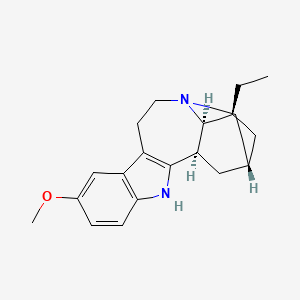
Tabernanthe iboga is a shrub native to West and Central Africa and central to living Bwiti and related religious and healing traditions. Its root bark contains ibogaine and additional alkaloids in variable concentrations. Pharmacology, dosage, ritual authority, and risk differ from an isolated-ibogaine clinic. [Journal of Ethnopharmacology][Clinical Toxicology]
Most contemporary human clinical data concern isolated ibogaine. Applying those findings to a variable root-bark preparation—or borrowing Bwiti language for a commercial service—creates scientific and cultural errors.
What people often describe
Descriptions emphasize a prolonged visionary or oneirogenic period, ancestral or autobiographical material, severe difficulty walking, nausea, vomiting, wakefulness, and an extended reflective aftermath. Cultural interpretation varies and cannot be reduced to a universal trip narrative. [Journal of Ethnopharmacology][Clinical Toxicology]
Scenes, memories, ancestors, symbols, and apparently instructional sequences may feel externally presented.
Ataxia, tremor, nausea, vomiting, weakness, and slowed heart rate may accompany the experience.
Wakefulness, stimulation, and metabolites can extend well beyond the visionary phase.
Initiation, music, elders, ancestry, and obligation hold meanings that do not translate into a generic wellness frame.
Craving or self-story can feel interrupted without guaranteeing durable recovery.
A psychologically calm person can still have dangerous QT prolongation or bradycardia.
Respect for tradition and modern medical screening answer different questions. Neither should be used to pretend the other is unnecessary.
How it works
Iboga contains multiple alkaloids. Ibogaine and its metabolite noribogaine act across several neurotransmitter systems and can block cardiac hERG potassium channels, prolonging QT. Whole-plant composition adds uncertainty beyond isolated-compound data. [Clinical Toxicology][Journal of Ethnopharmacology]
Conditions and uses being studied
Bwiti and regional practices
Living ceremonial knowledge provides essential cultural context but is not a standardized clinical trial.
Isolated ibogaine and substance use
Small observational and early clinical studies suggest possible changes in withdrawal or substance use; randomized evidence remains limited.
Cardiac toxicity
QT prolongation, bradycardia, ataxia, cardiac arrest, and deaths are documented with ibogaine exposure.
Whole-plant efficacy
Variable iboga preparations have no robust therapeutic efficacy base.
Whole-plant chemistry, setting, ceremonial lineage, participant health, and co-exposures vary. Ibogaine findings should not be converted into a dose or efficacy claim for root bark.
What controlled studies actually did
There is no standardized clinical whole-iboga protocol to reproduce. Ibogaine studies use defined material, ECGs, laboratory testing, medication review, observation, and emergency pathways. Traditional ceremonies are community-specific and do not erase medical contraindications. [Clinical Toxicology]
This summarizes controlled research and approved-product context. It is not a recommendation for self-treatment, dosing, mixing, or medication changes. Screening, verified formulation, monitoring, support, and follow-up are part of the studied intervention.
Selected registered trials
Registry status can change. Open the official record for current eligibility, locations, enrollment, and study status.
Know the red flags before the journey
The interaction picture is unusually dense: rhythm, electrolytes, CYP metabolism, liver function, opioids, sedatives, stimulants, and other QT-prolonging medicines can matter at once.
QT-prolonging drugs, slow heart rate, and abnormal electrolytes
Ibogaine can markedly prolong QT. Other QT-prolonging medicines, low potassium or magnesium, congenital long-QT, and structural heart disease can compound torsades, arrest, and death risk. [Clinical Toxicology]
Medicines and genetic differences can change ibogaine exposure and timing unpredictably.
Residual opioids complicate the acute period; lowered tolerance can make later return to use fatal.
Cardiovascular stress and rhythm vulnerability can stack without obvious warning.
Breathing, vomiting, aspiration, falls, and mental-status assessment become harder.
Common reasons to pause, screen more carefully, or refer out
Baseline and serial medical assessment are central; symptoms alone cannot exclude risk.
Electrolyte abnormalities amplify arrhythmia risk.
Exposure to iboga alkaloids and metabolites may be prolonged or unpredictable.
Safety is not established and the medical stress is substantial.
Neurologic and psychiatric vulnerability requires specialist evaluation.
Remote location or symbolic medical support can turn a reversible event into a fatal one.
Warnings are supported by isolated-ibogaine pharmacology, clinical observation, toxicology, and fatal cases. Whole-plant interaction uncertainty increases rather than reduces concern. [Clinical Toxicology][Journal of Ethnopharmacology]
Risks and research exclusions
Serious concerns include QT prolongation, bradycardia, arrhythmia, cardiac arrest, severe ataxia, vomiting, aspiration, falls, prolonged wakefulness, and post-detox opioid overdose. Deaths associated with ibogaine are documented. [Clinical Toxicology][Journal of Ethnopharmacology]
Dangerous electrical instability may be asymptomatic until collapse.
Ataxia and vomiting require hands-on monitoring and a credible emergency response.
Reduced opioid tolerance makes relapse particularly dangerous; naloxone and continuing care matter.
Commercial demand can exploit communities, traditions, and a slow-growing plant resource.
United States
Ibogaine is federally controlled in Schedule I, and no iboga or ibogaine product is FDA-approved. Because whole iboga contains ibogaine, plant material can create controlled-substance exposure. International, state, customs, and import rules differ and must be checked locally. [U.S. eCFR]
This summary is general educational information, not legal advice. Check current rules with relevant authorities in your country, state, province, and municipality before relying on it.
Selected sources
- NIH / PubChemIbogaine compound record ↗
- Journal of Ethnopharmacology · 2018Iboga and ibogaine: traditional use, pharmacology, and safety ↗
- Clinical Toxicology · 2021QT prolongation, bradycardia, and ataxia after ibogaine ↗
- ClinicalTrials.govNCT04313712 — observational ibogaine study ↗
- U.S. eCFR · current21 CFR § 1308.11 — Schedule I controlled substances ↗