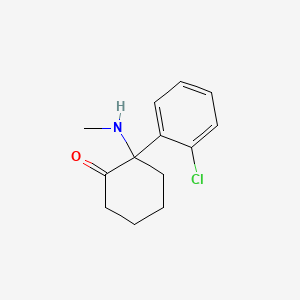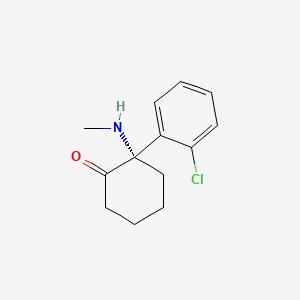
What it is
Esketamine is the S-enantiomer—one mirror-image form—of ketamine. The FDA-approved product Spravato is a specific intranasal esketamine formulation with labeled indications, contraindications, monitoring, and a Risk Evaluation and Mitigation Strategy. Racemic ketamine, IV esketamine, compounded nasal sprays, and lozenges are different products with different evidence and oversight. [NIH / PubChem][U.S. FDA]
Spravato combines a defined esketamine formulation with certified-site administration and monitoring. Calling any ketamine-like product “esketamine therapy” can hide meaningful differences in identity, route, quality, approval, and risk.
What people often describe
Clinical-trial and prescribing-information reports commonly include dissociation, dizziness, sedation, vertigo, nausea, altered sensation, anxiety, and a feeling of intoxication. A rapid or unusual state is not automatically therapeutic, and experiences vary even under supervision. [U.S. FDA][JAMA Psychiatry]
Sound, space, and ordinary context may seem muted, dreamlike, flattened, or oddly remote.
Numbness, floating, heaviness, lightness, spinning, or altered position can appear.
Sequence and duration may become hard to judge while attention and reaction speed slow.
Some notice emotional space or rapid relief; others feel little change, anxiety, or disappointment.
Dizziness, vomiting, motion sensitivity, and imbalance can dominate the session.
Judgment, coordination, and alertness can remain impaired after the obvious effects fade.
Screening, blood-pressure checks, respiratory observation, transportation, follow-up, and a plan for worsening mood remain part of responsible care.
How it works
Esketamine blocks NMDA-type glutamate receptor channels. Researchers connect downstream glutamate signaling, synaptic plasticity, and network-level changes with its antidepressant effects, but the precise relationship between dissociation, biology, and durable improvement remains unsettled. [U.S. FDA][NIH / PubChem]
Conditions and uses being studied
Treatment-resistant depression
Spravato is approved for adults with treatment-resistant depression, as monotherapy or with an oral antidepressant under the current U.S. label.
Depressive symptoms with acute suicidal ideation or behavior
The product has a specific adjunctive indication, but the label says effectiveness in preventing suicide or reducing suicidal behavior has not been demonstrated.
Esketamine monotherapy
A multicenter randomized trial found greater four-week symptom improvement than placebo in adults with treatment-resistant depression.
Other formulations and conditions
Evidence for the approved nasal product cannot be assumed for compounded products, other routes, pain, anxiety, or unsupervised use.
Regulatory approval applies to a specific product, population, administration pathway, and monitoring program. It is stronger evidence than anecdote, but it is not a guarantee of response or a blanket endorsement of ketamine-derived products.
What controlled studies actually did
Approved-product care uses a certified setting, pre-treatment assessment, supervised intranasal administration, blood-pressure and respiratory monitoring, observation for at least two hours, and a transportation plan. Research protocols add eligibility criteria, standardized outcomes, and scheduled follow-up. [U.S. FDA]
This summarizes controlled research and approved-product context. It is not a recommendation for self-treatment, dosing, mixing, or medication changes. Screening, verified formulation, monitoring, support, and follow-up are part of the studied intervention.
Selected registered trials
Registry status can change. Open the official record for current eligibility, locations, enrollment, and study status.
Know the red flags before the journey
Esketamine can add sedation, respiratory risk, cardiovascular activation, impaired judgment, and abuse potential to other medicines or substances. A prescriber should review the actual medication list; skipping prescriptions to change the experience is not safe.
Alcohol, opioids, benzodiazepines, and other sedatives
Central nervous system depressants can increase sedation and may add respiratory or coordination risk. The approved setting monitors breathing and alertness because an apparently calm or sleepy person may still be medically impaired. [U.S. FDA]
Alcohol, opioids, benzodiazepines, sleep medicines, and sedating antihistamines can deepen impairment.
Amphetamines, methylphenidate, cocaine, and other stimulants can add cardiovascular activation.
The label recommends close blood-pressure monitoring with monoamine oxidase inhibitors.
Combining dissociatives can amplify disorientation, vomiting, falls, amnesia, and loss of control.
Common reasons to pause, screen more carefully, or refer out
Blood-pressure increases can create unacceptable risk in these conditions.
This is a labeled contraindication for Spravato.
A clinician must weigh whether temporary pressure increases pose a serious hazard.
The label warns of fetal harm and does not recommend breastfeeding during treatment.
Substance-use history does not automatically decide care, but it changes monitoring and risk planning.
Patients should not drive until the next day after restful sleep and need a plan for clinical worsening.
The strongest practical guidance comes from the approved label, known pharmacology, monitored-use data, and postmarketing surveillance. Direct trials of risky combinations are limited for ethical reasons. [U.S. FDA]
Risks and research exclusions
Boxed warnings address sedation, dissociation, respiratory depression, abuse and misuse, and suicidal thoughts and behaviors in younger antidepressant-treated patients. Monitoring does not eliminate risk; it creates a pathway to notice and respond. [U.S. FDA]
Reduced alertness and respiratory depression require observation, including respiratory assessment.
Attention, judgment, reaction speed, motor skills, and perception may be impaired.
Temporary increases can be clinically important, especially with vascular risk or activating medicines.
Rapid relief may not last; worsening mood, compulsive use, or escalating exposure needs clinical attention.
United States
Esketamine is federally controlled in Schedule III. FDA approval applies to Spravato for specific adult depression indications under labeled conditions and the REMS program; it does not legalize possession or use outside applicable prescribing and controlled-substance rules. [U.S. FDA]
This summary is general educational information, not legal advice. Check current rules with relevant authorities in your country, state, province, and municipality before relying on it.