What it is
Peyote is Lophophora williamsii, a slow-growing cactus native to parts of Mexico and the U.S. Southwest. Mescaline is its principal psychoactive constituent, but whole cactus chemistry varies and includes additional alkaloids. Peyote has central religious significance for Indigenous peoples and the Native American Church. [Biological Psychiatry][U.S. DEA]
Reducing peyote to mescaline erases ecology, community, ceremony, sovereignty, and living knowledge. Synthetic mescaline research cannot represent the entire botanical or cultural practice.
What people often describe
Accounts commonly describe a gradual onset, nausea or vomiting, vivid color and pattern, wakefulness, emotional honesty, prayer, song, relational meaning, and a long arc that may extend well beyond the peak. [Biological Psychiatry][Translational Psychiatry]
Nausea, vomiting, tension, temperature shifts, and fatigue can be central rather than incidental.
Pattern, brightness, depth, and closed-eye imagery may become highly detailed.
Prayer, song, fire, community, and lineage can shape the experience beyond pharmacology.
Grief, gratitude, accountability, kinship, and difficult memories may surface.
Stimulation and altered time can make rest difficult even after peak effects recede.
Meaning may involve obligations to family, community, land, or tradition—not only individual insight.
Peyote grows slowly and faces habitat and access pressures. Curiosity does not create entitlement to a scarce plant or another community’s ceremony.
How it works
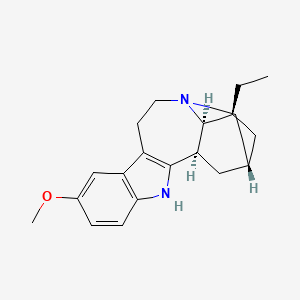
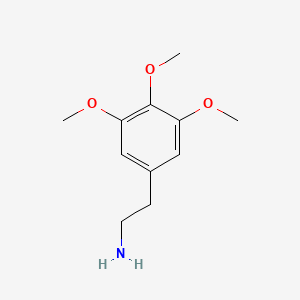
Mescaline is primarily associated with serotonin 5-HT2A receptor signaling. Whole peyote contains variable mescaline concentrations and other alkaloids, so its pharmacology cannot be reduced perfectly to a single structure. [NIH / PubChem][Translational Psychiatry]
Conditions and uses being studied
Long-term ceremonial users
A study of Native American Church members did not find evidence of broad psychological or cognitive deficits from long-term ceremonial peyote use.
Mescaline
Controlled mescaline research characterizes dose-related acute effects but does not test whole peyote as treatment.
Ceremonial healing
Community testimony and practice are meaningful within their own knowledge systems and should not be relabeled as FDA-style efficacy evidence.
Clinical treatment
No robust therapeutic trial base supports peyote for a diagnosed condition.
Observational findings cannot prove safety or efficacy, and ceremonial populations should not be treated as proxies for unsupervised use or commercially staged experiences.
What controlled studies actually did
There is no standardized clinical peyote protocol to reproduce. Ceremonial practices are community-governed traditions, while modern mescaline studies use purified compounds, screening, controlled settings, and structured assessments. [Biological Psychiatry][Translational Psychiatry]
This summarizes controlled research and approved-product context. It is not a recommendation for self-treatment, dosing, mixing, or medication changes. Screening, verified formulation, monitoring, support, and follow-up are part of the studied intervention.
Selected registered trials
No therapeutic human trial is listed for this profile. The evidence section distinguishes laboratory, observational, traditional-use, and toxicology records from clinical efficacy research.
Registry status can change. Open the official record for current eligibility, locations, enrollment, and study status.
Know the red flags before the journey
Peyote inherits mescaline’s serotonergic and cardiovascular interaction concerns, while variable plant chemistry and a long session add uncertainty.
MAOIs, stimulants, and serious cardiovascular risk
MAO inhibitors and activating drugs can add serotonergic, blood-pressure, heart-rate, temperature, and agitation risk. Direct whole-peyote combination studies are not available. [Journal of Psychopharmacology]
Medication effects and risk can change; prescriptions should never be skipped or tapered for a ceremony without the prescriber.
Additional cardiovascular and sleep strain can accumulate across a long experience.
Vomiting, judgment, balance, aspiration risk, and recognition of warning signs may worsen.
Online reports involving lithium and classic psychedelics raise serious seizure and reaction concerns.
Common reasons to pause, screen more carefully, or refer out
Mescaline can increase cardiovascular activation for many hours.
Long psychedelic activation and sleep loss may destabilize susceptible people.
Safety is not established.
Limited evidence and severe-signal reports warrant strong caution.
A long physically demanding experience may become medically significant.
Ceremonial framing does not excuse coercion, appropriation, exploitation, or unsafe leadership.
Warnings rely mainly on mescaline pharmacology, the broader classic-psychedelic literature, and precaution rather than direct peyote interaction trials. [Journal of Psychopharmacology][Pharmacopsychiatry]
Risks and research exclusions
Nausea, vomiting, prolonged stimulation, anxiety, panic, cardiovascular strain, sleep loss, and psychological destabilization are central acute concerns. Plant identification, conservation, consent, and cultural context are separate safety and ethics questions. [Translational Psychiatry][Biological Psychiatry]
Physical or psychological difficulty may persist for much of a day and complicate transport, sleep, and emergency care.
Repeated vomiting can become medically important, especially with heat, fasting, or underlying illness.
Fear, mania, psychosis, or persistent distress may occur in vulnerable people.
Unsustainable demand and extractive tourism can harm both peyote populations and Indigenous communities.
United States
Peyote and mescaline are federally controlled in Schedule I. Federal regulation contains a narrow exemption for traditional ceremonial use by members of the Native American Church; it is not a general religious, retreat, or personal-use exemption. State and tribal rules may differ. [U.S. eCFR][U.S. eCFR]
This summary is general educational information, not legal advice. Check current rules with relevant authorities in your country, state, province, and municipality before relying on it.
Selected sources
- NIH / PubChemMescaline compound record ↗
- Biological Psychiatry · 2005Neuropsychological study of long-term peyote-using Native American Church members ↗
- Translational Psychiatry · 2024Dose-dependent acute effects of mescaline in humans ↗
- U.S. DEAPeyote and mescaline drug fact sheet ↗
- U.S. eCFR · current21 CFR § 1307.31 — Native American Church peyote exemption ↗
- Journal of Psychopharmacology · 2024Systematic review of classic-psychedelic drug interactions ↗
- Pharmacopsychiatry · 2021Online reports involving lithium and classic psychedelics ↗
- U.S. eCFR · current21 CFR § 1308.11 — Schedule I controlled substances ↗