What it is
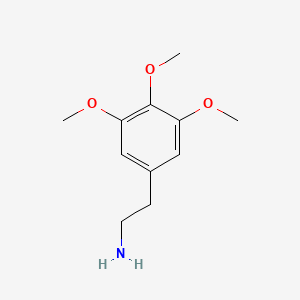
San Pedro and Huachuma commonly refer to Andean columnar cacti and traditions associated with Echinopsis pachanoi and related taxa. Mescaline is an important psychoactive alkaloid, but concentration varies across species, cultivars, plant parts, age, and growing conditions. [Journal of Ethnopharmacology][Translational Psychiatry]
A chemical study of mescaline cannot capture the full botanical mixture or ceremonial practice, while a traditional name does not standardize chemistry or safety.
What people often describe
Accounts often emphasize a gradual, long-lasting experience with brightened landscape, open emotion, relational or ecological connection, visual pattern, wakefulness, nausea, and a strong bodily component. [Translational Psychiatry][Journal of Ethnopharmacology]
Color, texture, distance, plants, sky, and sound may feel unusually detailed and meaningful.
Affection, grief, forgiveness, humor, and relational honesty can move close to the surface.
Nausea, vomiting, tension, temperature changes, stimulation, and fatigue may shape the day.
Song, altar, land, ritual roles, and group process may be central in traditional contexts.
Practical needs, weather, transport, sleep, and support must account for a long duration.
A felt lesson may require patient integration rather than immediate life-changing decisions.
Two visually similar cuttings or preparations may differ substantially in alkaloid content, identity, contamination, and legal status.
How it works
Mescaline’s psychedelic effects are associated primarily with serotonin 5-HT2A receptor signaling. Other cactus alkaloids and variable concentrations make whole-plant pharmacology less predictable than a purified research compound. [NIH / PubChem][Journal of Ethnopharmacology]
Conditions and uses being studied
Andean traditions
Historical and contemporary use supplies cultural context, not standardized clinical efficacy evidence.
Variable mescaline content
Analytical research documents substantial chemical variation among mescaline-containing cacti.
Purified mescaline
Controlled studies characterize long dose-dependent effects and safety in screened participants.
Clinical treatment
Whole Huachuma preparations lack robust therapeutic trial evidence.
Data from purified mescaline cannot be transferred cleanly to botanically variable preparations or different ceremonial and commercial settings.
What controlled studies actually did
There is no validated clinical Huachuma protocol. Mescaline studies use known compounds and controlled monitoring, while traditional practices are lineage- and community-specific rather than a public dosing recipe. [Translational Psychiatry]
This summarizes controlled research and approved-product context. It is not a recommendation for self-treatment, dosing, mixing, or medication changes. Screening, verified formulation, monitoring, support, and follow-up are part of the studied intervention.
Selected registered trials
No therapeutic human trial is listed for this profile. The evidence section distinguishes laboratory, observational, traditional-use, and toxicology records from clinical efficacy research.
Registry status can change. Open the official record for current eligibility, locations, enrollment, and study status.
Know the red flags before the journey
Whole-cactus interaction trials are lacking. Mescaline’s serotonergic, cardiovascular, and stimulating effects guide a cautious medication and substance review.
MAOIs, stimulants, and cardiovascular vulnerability
Combining a long mescaline-containing preparation with MAO inhibitors or stimulants may add blood-pressure, heart-rate, temperature, agitation, and serotonergic risk. [Journal of Psychopharmacology]
Effects and risks may change; medication interruption without the prescriber can cause withdrawal or relapse.
Cardiovascular strain, anxiety, overheating, and sleeplessness can stack.
Judgment, balance, vomiting, aspiration, and recognition of distress may worsen.
Severe-reaction and seizure reports with classic psychedelics make this a major caution signal.
Common reasons to pause, screen more carefully, or refer out
A long period of autonomic activation may be unsafe.
Psychedelic intensity and sleep loss may worsen instability.
Safety evidence is insufficient.
Evidence is limited and severe signals warrant caution.
Repeated vomiting over a long day can become clinically important.
Misidentification, contamination, adulteration, and potency variability change the risk.
Most interaction guidance is inferred from mescaline pharmacology and the broader classic-psychedelic literature rather than direct whole-cactus trials. [Journal of Psychopharmacology][Pharmacopsychiatry]
Risks and research exclusions
The main concerns include prolonged cardiovascular and psychological activation, vomiting and dehydration, panic, mania or psychosis in vulnerable people, environmental exposure, and uncertain botanical identity or strength. [Translational Psychiatry][Journal of Ethnopharmacology]
Distress, weather exposure, transport problems, or insomnia can persist after the peak.
Purging can be culturally interpreted while still requiring ordinary medical judgment when severe.
Species, cultivar, plant part, age, storage, and preparation can change chemistry.
Traditional language does not guarantee consent, competence, lineage, or emergency readiness.
United States
Mescaline is federally controlled in Schedule I. Some cacti may be sold or grown ornamentally, but preparation, extraction, possession with particular intent, and local plant rules can create different legal consequences. Check the law where you are; ornamental availability is not a universal use exemption. [U.S. eCFR]
This summary is general educational information, not legal advice. Check current rules with relevant authorities in your country, state, province, and municipality before relying on it.
Selected sources
- NIH / PubChemMescaline compound record ↗
- Journal of Ethnopharmacology · 2010Mescaline concentrations in Echinopsis species and cultivars ↗
- Translational Psychiatry · 2024Dose-dependent acute effects of mescaline in humans ↗
- Journal of Psychopharmacology · 2024Systematic review of classic-psychedelic drug interactions ↗
- Pharmacopsychiatry · 2021Online reports involving lithium and classic psychedelics ↗
- U.S. eCFR · current21 CFR § 1308.11 — Schedule I controlled substances ↗