Current psilocybin and LSD research includes anxiety and distress in specific settings. 5-MeO-DMT and mescaline connections are earlier and less condition-specific. Small samples, difficult blinding, supportive-session effects, and carefully screened participants limit broad conclusions.
Condition path · 04 connected medicines
Anxiety & distress
Fear · uncertainty · serious illness
Studies often focus on anxiety linked to depression, serious illness, or existential distress rather than treating every kind of anxiety as one category.
Medicines appear here because of current research, a specific established clinical context, or sustained public interest. Inclusion does not establish approval, suitability, safety, or effectiveness for an individual.
01 / START HERE
A condition is a starting point, not the whole story.
Anxiety can mean generalized worry, panic, social fear, trauma-related arousal, or distress connected to serious illness. Psychedelic studies usually define a narrower population, so findings should not be flattened into a claim about “anxiety” as a whole.
Ask what fear is doing, what reliably escalates it, whether panic or dissociation is present, which medicines are being taken, and whether the setting can support distress without coercion or false reassurance.
02 / CONNECTED MEDICINES
Medicines associated with Anxiety & distress
Open a field guide for the felt experience, common names, research signal, interactions, contraindications, safety, and legal context unique to each medicine.
01Advanced clinical research
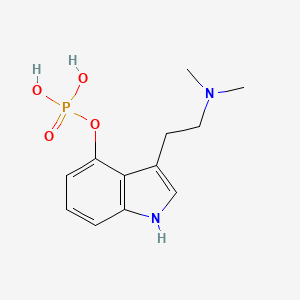 C₁₂H₁₇N₂O₄P
Classic psychedelic
Psilocybin
Sensory amplification, time distortion, emotional depth, inward focus, and sometimes awe or connection.
Open the full field guide ↗02Clinical research
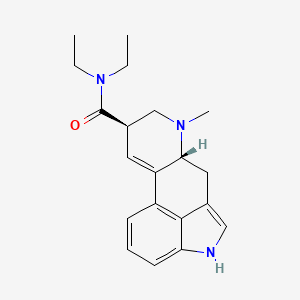 C₂₀H₂₅N₃O
Classic psychedelic
LSD
Long-lasting visual texture, energized thought, unusual associations, and a stretched sense of time.
Open the full field guide ↗03Phase 2 research
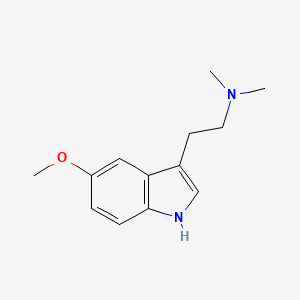 C₁₃H₁₈N₂O
Classic psychedelic
5-MeO-DMT
A rapid, immersive loss of ordinary self and space that may feel expansive, terrifying, peaceful, or difficult to remember.
Open the full field guide ↗04Controlled human research
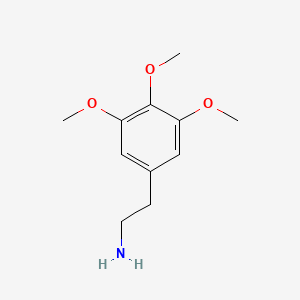 C₁₁H₁₇NO₃
Classic psychedelic
Mescaline
A long, colorful, tactile, emotionally open experience with stimulation and a sometimes demanding body load.
Open the full field guide ↗The medicine is one variable.
Diagnosis, intention, medications, physical health, culture, prior experience, consent, setting, support, and follow-up can all change the meaning and risk of a psychedelic experience.