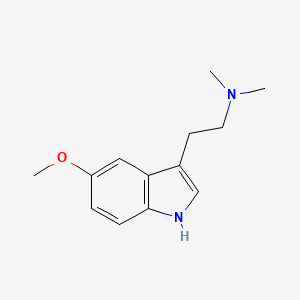
What it is
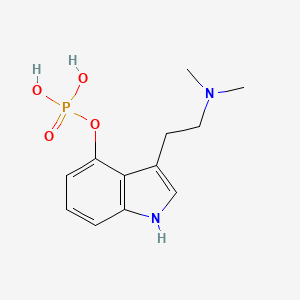
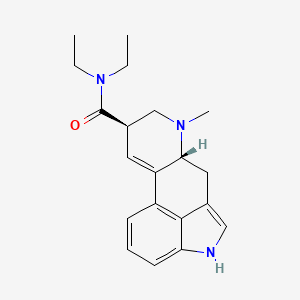
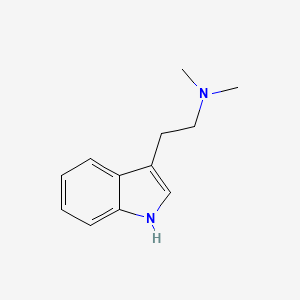
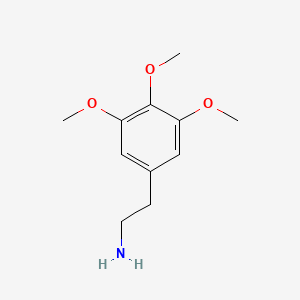
5-MeO-DMT is a tryptamine psychedelic related to—but chemically and experientially distinct from—N,N-DMT and bufotenine. It occurs in some plants and animals and can be synthesized. Products described as toad medicine, synthetic 5-MeO-DMT, or unknown white powder can differ in identity, purity, ethics, and risk. [NIH / PubChem][Frontiers in Pharmacology]
They are different molecules with different receptor profiles, typical phenomenology, potency, metabolism, and interaction risk. A familiar name or source claim does not verify which one is present.
What people often describe
Controlled studies and reports describe a rapid, high-intensity state that can include ego dissolution, loss of ordinary visual context, altered body ownership, emotional release, fear, bliss, vocalization, and temporary inability to respond normally. [Frontiers in Pharmacology][CNS Drugs]
Ordinary orientation can collapse before a person has time to narrate what is happening.
People report nonduality, unity, void, death-like surrender, or terror at losing every familiar reference.
Vocalizing, shaking, arching, standing, or uncoordinated movement can occur alongside reduced responsiveness.
Unlike the scene-rich quality often linked with DMT, reports may center on brightness, formlessness, or total absorption.
A state described as sacred by one person may feel annihilating or traumatic to another.
Awe, shakiness, confusion, elation, insomnia, vulnerability, or delayed destabilization may follow.
A facilitator should not improvise around vomiting, reduced responsiveness, unsafe movement, restraint, or consent. Intensity is not permission to override bodily autonomy.
How it works
5-MeO-DMT acts at multiple serotonin receptors, with important 5-HT1A and 5-HT2A activity. It is metabolized partly by monoamine oxidase A, and conversion to active bufotenine can also occur. Route and formulation strongly shape onset, peak, and duration. [CNS Drugs][NIH / PubChem]
Conditions and uses being studied
Treatment-resistant depression
A randomized study of an inhaled formulation enrolled patients with treatment-resistant depression; results belong to that product and protocol.
Depression and anxiety symptoms
A small sublingual-formulation study examined safety and mood outcomes, with replication and larger trials still needed.
Safety, pharmacokinetics, and acute effects
Early trials describe controlled inhaled and intranasal formulations in carefully screened participants.
Spiritual and transformational claims
Powerful personal reports can guide questions but cannot establish clinical efficacy, durability, or comparative safety.
The evidence is formulation-specific and vulnerable to expectancy and functional unblinding. A peak experience is not a validated substitute for durable clinical outcomes or safety across diverse populations.
What controlled studies actually did
Human studies use known synthetic formulations, medical screening, controlled administration, vital-sign monitoring, structured acute observation, and follow-up. Trials differ by inhaled, intranasal, IV, or sublingual route, so their exposure and risk findings should not be merged. [ClinicalTrials.gov][CNS Drugs]
This summarizes controlled research and approved-product context. It is not a recommendation for self-treatment, dosing, mixing, or medication changes. Screening, verified formulation, monitoring, support, and follow-up are part of the studied intervention.
Selected registered trials
Registry status can change. Open the official record for current eligibility, locations, enrollment, and study status.
Know the red flags before the journey
5-MeO-DMT has a narrow experiential margin and meaningful serotonergic interaction potential. Never use a generic “washout” list to change psychiatric medication without the prescriber responsible for it.
MAO inhibitors, ayahuasca, or harmala alkaloids
Blocking monoamine oxidase can substantially change 5-MeO-DMT exposure and has been associated with severe serotonergic toxicity risk. This combination should be treated as a major red flag, not a way to extend the journey. [Journal of Psychopharmacology]
Effects and toxicity risk may change; abrupt stopping can cause withdrawal or relapse.
Cardiovascular, temperature, agitation, and serotonin burdens may stack.
Reduced responsiveness plus vomiting or respiratory depression makes mixed states more dangerous.
Co-use can increase confusion, panic, unsafe movement, and difficulty assessing a medical problem.
Common reasons to pause, screen more carefully, or refer out
Trials generally exclude these histories because activation and meaning disturbance may destabilize mood or reality testing.
Rapid autonomic changes and extreme stress responses may be hazardous.
History and threshold-altering medicines require specialist review.
Safety evidence is insufficient.
A short intense state cannot replace continuous crisis care or protection.
A setting without sober observation, safe positioning, and an emergency pathway is not prepared for foreseeable events.
Prospective combination data are sparse. Warnings draw on metabolism, receptor pharmacology, clinical exclusions, toxicology, and case reports; uncertainty supports more caution, not improvised experimentation. [Journal of Psychopharmacology]
Risks and research exclusions
Loss of responsiveness, vomiting and aspiration, panic, unsafe movement, cardiovascular stress, serotonin toxicity, and psychiatric destabilization are central risks. Unknown powders and animal secretions add identity, contamination, and ethical concerns. [Frontiers in Pharmacology][CNS Drugs]
A person who cannot respond normally may still vomit or move; positioning and observation matter.
Terror, perceived death, retraumatization, or prolonged derealization can follow a brief exposure.
DMT, 5-MeO-DMT, bufotenine, and adulterants cannot be distinguished reliably by appearance.
Sleep disruption, mania-like activation, grandiosity, anxiety, or persistent confusion deserve prompt professional support.
United States
5-MeO-DMT is federally controlled in Schedule I in the United States. No 5-MeO-DMT formulation is FDA-approved, and natural origin or ceremonial framing does not itself create a federal exemption. [U.S. eCFR]
This summary is general educational information, not legal advice. Check current rules with relevant authorities in your country, state, province, and municipality before relying on it.
Selected sources
- NIH / PubChem5-MeO-DMT compound record ↗
- Frontiers in Pharmacology · 2021Phase 1 dose-ranging study of vaporized 5-MeO-DMT ↗
- CNS Drugs · 2024Intranasal 5-MeO-DMT benzoate in healthy participants ↗
- ClinicalTrials.govNCT05800860 — GH001 in treatment-resistant depression ↗
- ClinicalTrials.govNCT06816667 — Sublingual 5-MeO-DMT study ↗
- Journal of Psychopharmacology · 2024Systematic review of classic-psychedelic drug interactions ↗
- U.S. eCFR · current21 CFR § 1308.11 — Schedule I controlled substances ↗