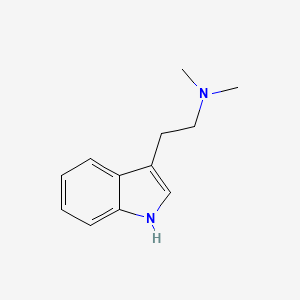
What it is
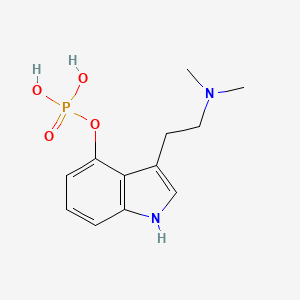
N,N-DMT is a tryptamine psychedelic found in multiple plants and also made synthetically for research. When inhaled, it is rapidly absorbed and rapidly metabolized. Orally, DMT is normally broken down by monoamine oxidase; ayahuasca changes that by combining DMT-containing material with MAO-inhibiting beta-carbolines. [NIH / PubChem][NIH / NIDA]
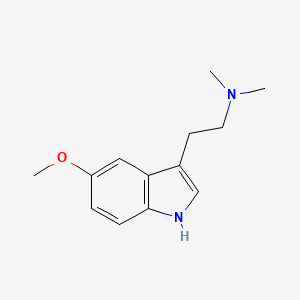
N,N-DMT and 5-MeO-DMT are different molecules with different experiences and risks. Ayahuasca is a multi-plant preparation whose MAO-inhibiting ingredients create a much longer experience and a substantially different interaction profile.
What people often describe
Reports often emphasize speed and totality: a rapid transition into complex visual space, altered embodiment, apparent encounters, and a changed sense of reality. Interpretations range from neuropsychological to spiritual; the felt certainty of an encounter does not establish a single explanation. [Journal of Psychopharmacology]
For inhaled DMT, ordinary surroundings may dissolve within seconds, leaving little time to adjust.
Geometric forms, architecture, scenes, colors, motion, and apparently autonomous figures are often described.
People may feel separated from the body, unable to locate it, or moving through another kind of space.
The measured acute window is short, yet subjective time may feel vast or irrelevant.
Encounters may feel sacred, alien, loving, instructional, comic, frightening, or impossible to translate.
Wonder, relief, confusion, shakiness, grief, nausea, or an afterglow may follow the rapid return.
A short clock time can still involve complete disorientation and inability to respond to hazards. A seated or lying position, protection from fire and falls, and sober support are practical safety considerations—not guarantees.
How it works
N,N-DMT is a serotonergic classic psychedelic with activity at 5-HT2A and other receptors. It is rapidly metabolized primarily by monoamine oxidase A. MAO inhibition changes oral bioavailability, duration, and interaction risk, which is why ayahuasca cannot be treated as merely “longer DMT.” [NIH / PubChem][European Neuropsychopharmacology]
Conditions and uses being studied
Treatment-resistant depression
A 2025 phase 2a study in 14 participants reported symptom reductions after vaporized DMT, but the tiny open-label design cannot establish efficacy.
Healthy participants
A 25-person randomized crossover study documented intense subjective effects, transient physiologic increases, and mostly mild, transient adverse events.
IV DMT administration
Small controlled studies are mapping safety, pharmacokinetics, electroencephalography, and subjective effects across infusion approaches.
Ayahuasca research
Ayahuasca studies involve a multi-compound preparation and cannot be used as direct efficacy evidence for DMT alone.
The modern clinical literature is small. Open-label symptom change can reflect expectancy, support, regression to the mean, and selection effects. Larger randomized studies are needed.
What controlled studies actually did
Recent studies have evaluated vaporized and intravenous DMT with medical screening, controlled formulations, continuous observation, and follow-up. One vaporized-DMT depression study escalated fixed research doses in a very small cohort; its design is not a home-use template. [Neuropsychopharmacology][Journal of Psychopharmacology][European Neuropsychopharmacology]
This summarizes controlled research and approved-product context. It is not a recommendation for self-treatment, dosing, mixing, or medication changes. Screening, verified formulation, monitoring, support, and follow-up are part of the studied intervention.
Selected registered trials
Registry status can change. Open the official record for current eligibility, locations, enrollment, and study status.
Know the red flags before the journey
Interaction risk changes dramatically depending on whether the substance is DMT alone, a pharmaceutical research formulation, or an MAOI-containing ayahuasca preparation. The exact ingredients matter.
MAOIs, harmala alkaloids, and serotonergic medicines
MAO inhibition makes oral DMT active and changes both duration and drug-interaction risk. Ayahuasca’s harmala alkaloids act as MAO inhibitors. Combining MAOI-containing preparations with serotonergic or sympathomimetic medicines can be dangerous and requires expert, compound-specific review. [Journal of Psychopharmacology]
Classic-psychedelic experience reports show a serious seizure signal with lithium; the evidence is imperfect but clinically concerning.
Stimulants can add heart-rate, blood-pressure, agitation, and panic risk, especially in an MAOI-containing preparation.
Antidepressants, antipsychotics, mood stabilizers, and other medicines may alter effects or risk. Never self-taper to intensify an experience.
Plant brews can contain additional psychoactive or toxic species. The word ayahuasca does not reveal a standardized ingredient list.
Common reasons to pause, screen more carefully, or refer out
Intense perceptual and reality changes may precipitate or worsen destabilization in susceptible people.
Transient heart-rate and blood-pressure increases may be clinically important.
Seizure vulnerability deserves specialist review, and lithium is a major classic-psychedelic red flag.
Safety evidence is insufficient, and clinical studies generally exclude pregnancy and breastfeeding.
Fire, water, traffic, heights, sharp objects, or being alone create hazards during abrupt incapacitation.
Substitution can radically change the risk picture. Names, appearance, and seller claims are not chemical verification.
DMT-specific controlled interaction research is sparse. Ayahuasca introduces MAOI pharmacology and multiple compounds, so a safety claim about isolated DMT should not be copied to a brew—or vice versa. [Journal of Psychopharmacology][Pharmacopsychiatry]
Risks and research exclusions
Acute risks include panic, loss of coordination, falls, vomiting, transient increases in heart rate and blood pressure, and inability to communicate. Unverified compounds, inhalation injury, MAOI interactions, and confusion with 5-MeO-DMT add risks outside controlled studies. [Journal of Psychopharmacology][NIH / NIDA]
The rapid onset can make it impossible to move away from a flame, water, traffic, a ledge, or other environmental hazard.
Small studies report transient physiologic increases. Chest pain, seizure, collapse, or severe neurologic symptoms require emergency help.
Awe and distress can both linger. Persistent fear, derealization, mania-like symptoms, or inability to function merits professional support.
N,N-DMT, 5-MeO-DMT, and ayahuasca should have separate safety conversations; they are not interchangeable experiences.
United States
N,N-DMT has no FDA-approved therapeutic product and remains federally controlled in Schedule I. Religious-use litigation and exemptions, research authorization, and local policies are narrow legal questions—not general permission. Verify current law in the relevant jurisdiction. [U.S. eCFR][U.S. FDA]
This summary is general educational information, not legal advice. Check current rules with relevant authorities in your country, state, province, and municipality before relying on it.
Selected sources
- NIH / PubChemN,N-DMT compound record and chemical identifiers ↗
- NIH / NIDAPsychedelic and dissociative drugs overview ↗
- Neuropsychopharmacology · 2025Open-label phase 2a vaporized DMT study in treatment-resistant depression ↗
- Journal of Psychopharmacology · 2025Randomized crossover study of vaporized DMT in healthy participants ↗
- European Neuropsychopharmacology · 2024Phase 1 intravenous DMT safety and pharmacokinetics ↗
- Journal of Psychopharmacology · 2024Systematic review of classic-psychedelic drug interactions ↗
- Pharmacopsychiatry · 2021Online reports involving lithium and classic psychedelics ↗
- U.S. FDA · 2026Psychedelic drugs: considerations for clinical investigations ↗
- U.S. eCFR · current21 CFR § 1308.11 — Schedule I ↗